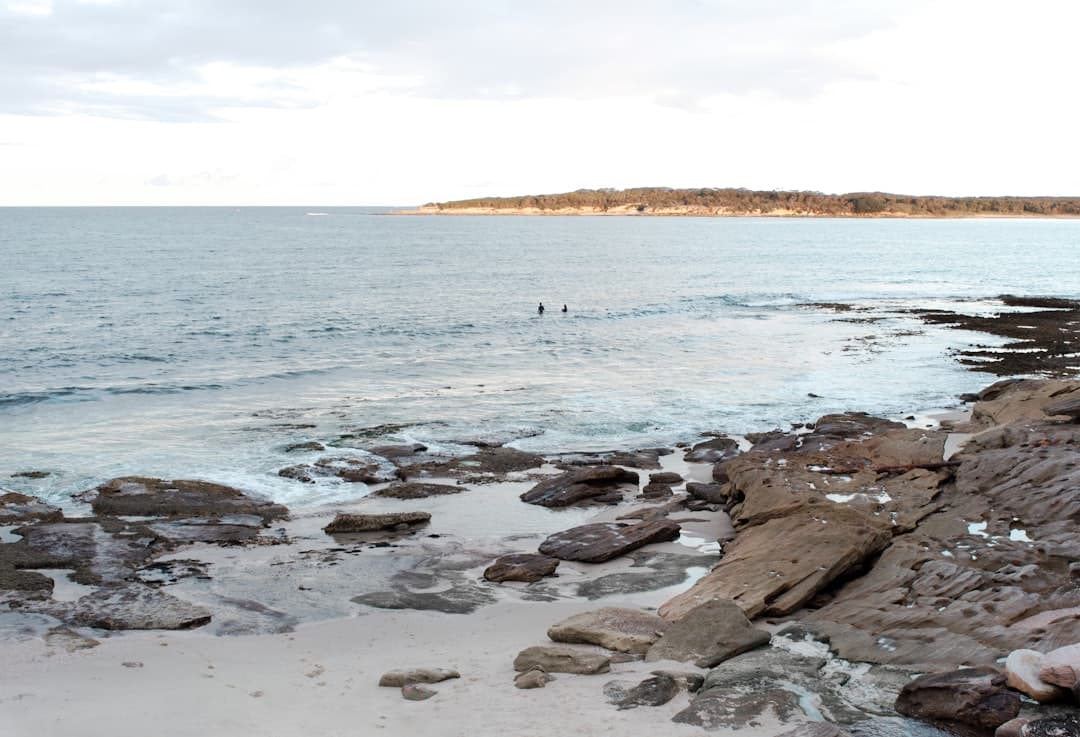
Australia has one of the highest rates of skin cancer in the world, and living in a coastal suburb like Cronulla means cumulative UV exposure is a real concern — even on overcast days. The good news is that skin cancer, when caught early, is one of the most treatable forms of cancer.
Know Your Skin
The most important thing you can do is get familiar with your own skin. Check your body regularly — including areas that don’t get direct sun, like the soles of your feet and between your toes. Use a mirror for hard-to-see spots, or ask a partner to help.
The ABCDE Rule
When checking moles and spots, look for these warning signs:
- Asymmetry — one half doesn’t match the other
- Border — edges are irregular, ragged, or blurred
- Colour — uneven colour with shades of brown, black, pink, red, or white
- Diameter — larger than 6mm (about the size of a pencil eraser)
- Evolving — any change in size, shape, colour, or new symptoms like itching or bleeding
When to See Your GP
If you notice any new spots, changes to existing moles, or a sore that doesn’t heal within a few weeks, book a skin check with your GP. We perform thorough skin examinations and can refer you for further assessment if needed. People with fair skin, a history of sunburn, a family history of melanoma, or a large number of moles should have regular skin checks — talk to your doctor about how often is right for you.
Prevention Is Key
- Apply SPF 50+ broad-spectrum sunscreen daily, even in winter
- Reapply every two hours and after swimming or sweating
- Wear protective clothing, a broad-brimmed hat, and sunglasses
- Seek shade between 10am and 3pm when UV is strongest
- Avoid tanning beds — they significantly increase melanoma risk
You can check the daily UV index for Cronulla on the Bureau of Meteorology website or the SunSmart app. When the UV index is 3 or above, sun protection is recommended.