Every 12 minutes, an Australian dies from heart disease. That's a confronting statistic — but here's the encouraging part: a large proportion of heart attacks and strokes are preventable. Heart Week, run each year by the Heart Foundation (heartfoundation.org.au/about-us/heart-week), is a timely reminder that looking after your heart doesn't have to be complicated. It starts with a conversation with your GP and a few simple checks that could make a real difference to your future health.
What is a heart health check?
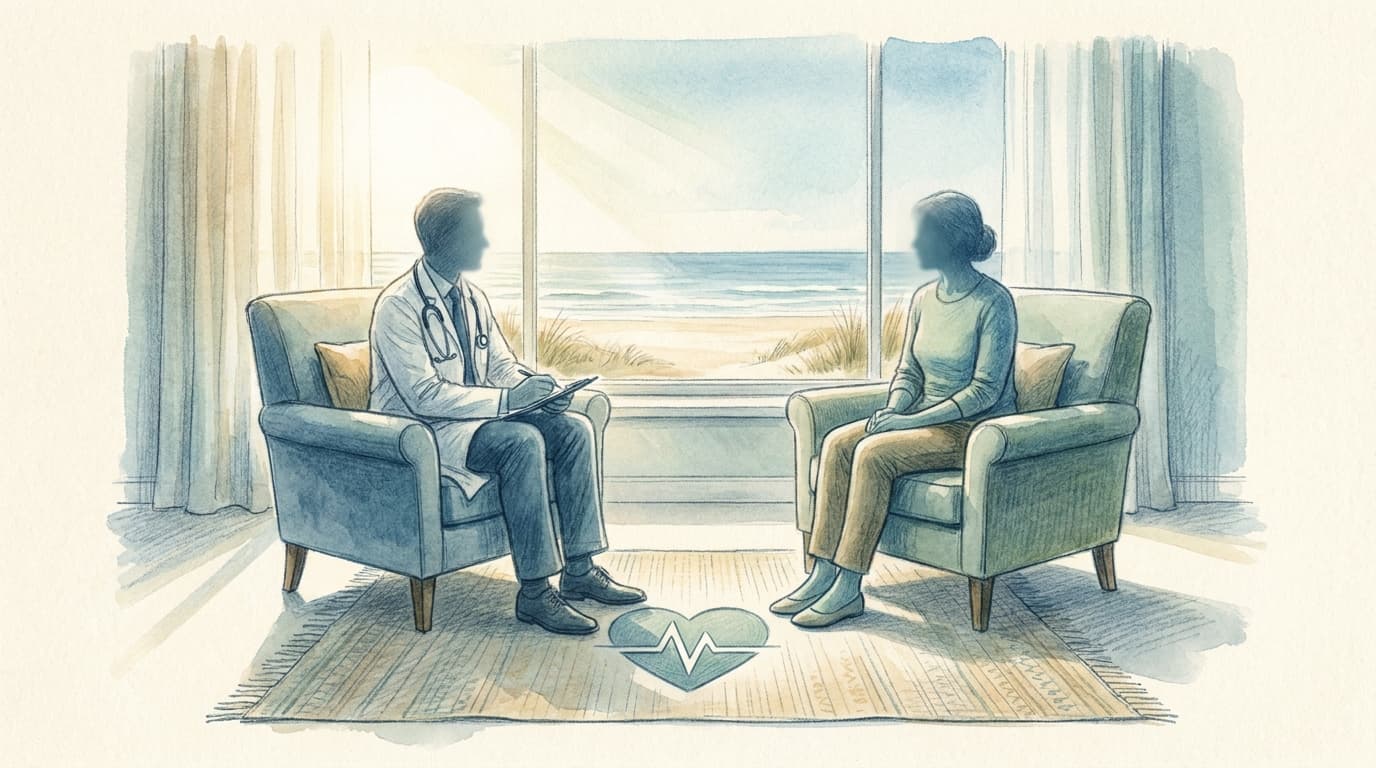
A heart health check is a Medicare-funded assessment available to Australians aged 45 and over — or from age 30 for Aboriginal and Torres Strait Islander peoples. It's a structured appointment with your GP designed to assess your personal risk of having a heart attack or stroke in the next five years. Think of it less like a test you can pass or fail, and more like a conversation that gives you and your doctor a clear picture of where things stand right now.
During the check, your GP will look at a combination of factors that together paint a fuller picture of your cardiovascular health. No single number tells the whole story — it's the combination of results that helps your doctor understand your overall risk level and what, if anything, you might need to do about it.
What does the check actually involve?
You don't need to do anything complicated to prepare. Your GP will gather information through a short discussion, a physical check, and a blood test. Here's what's typically included:
- Blood pressure measurement — high blood pressure often has no symptoms, so checking it regularly is important
- Cholesterol and blood lipid levels — from a simple blood test, usually done fasting
- Blood glucose — to check for signs of type 2 diabetes or pre-diabetes, which significantly raises heart risk
- Body weight and waist circumference — excess weight around the abdomen is a known risk factor
- Smoking status — smoking is one of the most significant modifiable risk factors for heart disease
- Family history — a close family member with early heart disease can raise your own risk
- Physical activity levels and diet — your GP will ask about your lifestyle habits in a non-judgmental way
Your GP uses all of this information together to calculate your cardiovascular risk score — a way of estimating your likelihood of a heart attack or stroke over the next five years. Based on this, they'll work with you on a personalised plan, which might include lifestyle changes, more regular monitoring, or in some cases, medication.
If you're aged 45 or over (or 30 and over for Aboriginal and Torres Strait Islander peoples) and haven't had a heart health check in the past two years, you may be eligible for a Medicare-rebated appointment. Ask our reception team about booking a dedicated heart health check.
Know your numbers
One of the most valuable things to come out of a heart health check is simply knowing your own numbers. Many Australians walk around with high blood pressure or elevated cholesterol without feeling any different — these conditions are sometimes called 'silent' risk factors because they cause no obvious symptoms until something serious happens. Understanding where you sit gives you the power to act early.
As a rough guide, healthy targets for most adults include a blood pressure below 130/80 mmHg, total cholesterol below 5.5 mmol/L, and fasting blood glucose below 6.0 mmol/L. However, your GP will interpret your results in the context of your whole health picture — what's appropriate for one person may differ for another. If your numbers are outside the ideal range, that's not a cause for panic; it's a starting point for a plan.
Reducing your risk through everyday choices
Whether your risk is low, moderate, or high, lifestyle changes are the foundation of heart disease prevention. The good news is that even modest, consistent changes can have a meaningful impact on your cardiovascular health over time. You don't need to overhaul your entire life overnight — small steps, done consistently, really do add up.
- Move more, sit less — aim for at least 30 minutes of moderate activity (like a brisk walk) on most days of the week
- Eat a heart-friendly diet — focus on vegetables, fruit, wholegrains, legumes, fish, and healthy fats like olive oil and nuts; reduce processed foods, red meat, and added salt
- Quit smoking — it's never too late, and the benefits to your heart begin within hours of stopping; your GP can help with cessation support
- Limit alcohol — stick to no more than 10 standard drinks per week, with no more than 4 on any single day
- Maintain a healthy weight — even losing 5–10% of body weight if you're carrying extra kilos can meaningfully lower blood pressure and cholesterol
- Manage stress — chronic stress affects the heart both directly and indirectly; strategies like regular exercise, good sleep, and mindfulness can all help
- Keep on top of other conditions — if you have diabetes, high blood pressure, or high cholesterol, working with your GP to manage these well is one of the most powerful things you can do for your heart
It's worth remembering that heart disease develops over many years, often beginning decades before any symptoms appear. The lifestyle habits you build in your 30s, 40s, and 50s have a real bearing on your heart health in later life. But it's also true that it's never too late to start — research consistently shows that people who make positive changes even later in life gain meaningful health benefits.
Heart disease is not just a men's issue. Women are just as much at risk, though symptoms can sometimes present differently — including fatigue, nausea, or jaw and back pain rather than the classic chest pain. If something doesn't feel right, trust your instincts and seek medical attention.
When to seek urgent help
It's important to know the warning signs of a heart attack or stroke and to act on them immediately. For a heart attack, symptoms can include chest pain or discomfort, pain spreading to the arm, neck, jaw or back, shortness of breath, nausea, dizziness, or a cold sweat. Stroke symptoms can be remembered with the FAST acronym: Face drooping, Arm weakness, Speech difficulty — Time to call 000. These are emergencies. Don't drive yourself to the hospital — call an ambulance immediately.
Prevention and early detection are always the goal, but knowing what to do in an emergency is equally important. Make sure your household knows these signs too.
Take the first step this Heart Week
Heart Week is a wonderful prompt to pause and think about your cardiovascular health — but the truth is, there's no better time to start than right now. A heart health check is a straightforward, low-fuss appointment that can give you and your GP genuinely useful information to work with. Whether you walk away reassured or with an action plan, you'll be better off for having had the conversation.
At Cronulla Medical Practice, our GPs are here to support you with exactly this kind of preventive care — in a relaxed, judgement-free environment. If you're due for a heart health check, or if you simply have questions about your cardiovascular health, we'd love to see you. Get in touch with our reception team to book an appointment at a time that suits you. Your heart will thank you for it.