
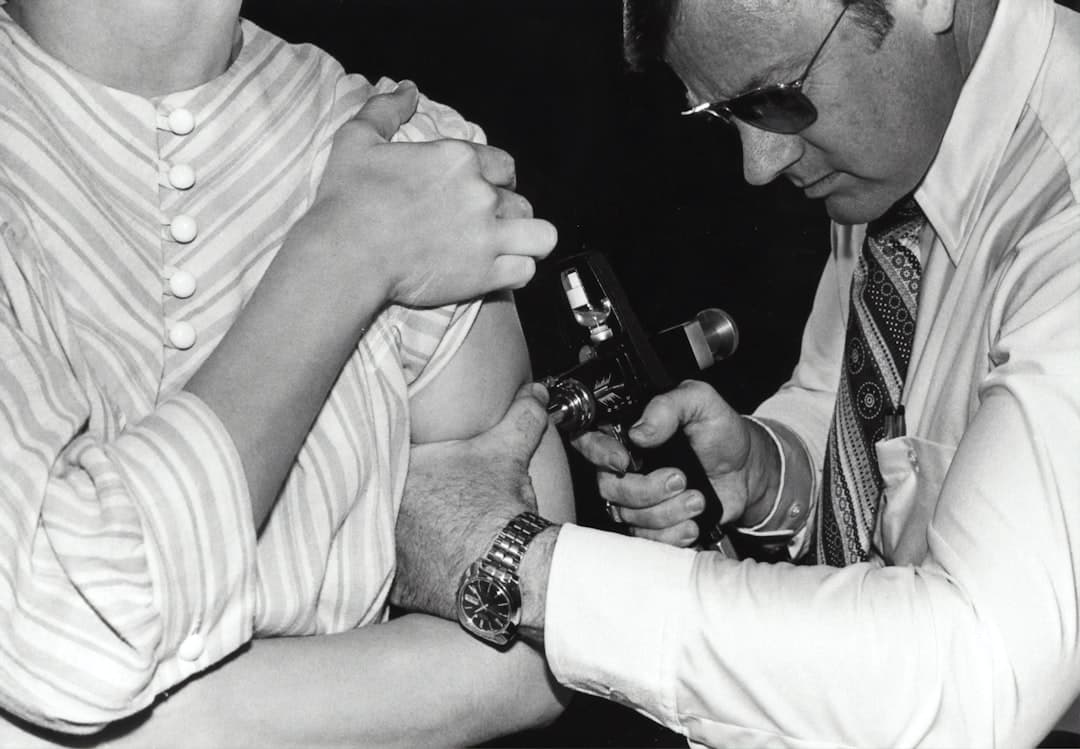
Annual influenza vaccination is recommended from April 2026, before the start of the influenza season. Even if you received a 2025 flu vaccine late last year or early this year, it’s still recommended you receive the 2026 vaccine when it becomes available. Vaccination should continue to be offered as long as influenza viruses are circulating and a valid vaccine is available.
What’s New for 2026?
This year, trivalent influenza vaccines (TIVs) are the only vaccines available in Australia. The 2026 vaccines have been reformulated to match the strains most likely to circulate this season. For adults aged 65 and over, the NIP-funded adjuvanted vaccine (Fluad®) and the private market high-dose vaccine (Fluzone High-Dose) are both preferentially recommended over standard influenza vaccines.
New for 2026, a live attenuated influenza vaccine (LAIV) administered as a nasal spray will be available for the first time in Australia for children aged 2–17 years through state-based immunisation programs and by private prescription.
Who Is Eligible for a Free Flu Vaccine?
Under the National Immunisation Program (NIP), the flu vaccine is provided free of charge to people at higher risk of complications from influenza:
- Children aged 6 months to less than 5 years
- Pregnant women at any stage of pregnancy
- Aboriginal and Torres Strait Islander people aged 6 months and over
- Adults aged 65 years and over
- People aged 6 months and over with certain medical conditions — including cardiac disease, chronic respiratory conditions, immunocompromising conditions, chronic metabolic disorders (such as diabetes), chronic kidney disease, chronic neurological conditions, and children aged 5–10 on long-term aspirin therapy
At Cronulla Medical Practice, we provide free flu vaccinations for eligible patients under the National Immunisation Program. If you are not eligible for a free vaccine, we recommend visiting your local pharmacy, who can source and administer the vaccine at competitive prices.
Special Considerations
Pregnant women should receive the inactivated influenza vaccine (not the live attenuated nasal spray). It is safe to have the flu vaccine at the same visit as the pertussis, RSV, or COVID‑19 vaccines. Women who were vaccinated before becoming pregnant should be revaccinated during pregnancy to help protect their baby in the first few months of life.
For children aged 6 months to less than 2 years receiving the flu vaccine for the first time, two doses are recommended at least 4 weeks apart. In subsequent years, only one annual dose is needed. Children aged 2 to less than 5 years require one dose.
What to Expect
The vaccine is given as a single injection in the upper arm. The most common side effect is mild soreness at the injection site, which usually resolves within a day or two. Some people experience mild flu-like symptoms such as a low-grade fever or tiredness — this is your immune system responding and is not the flu itself.
Egg allergy is not a contraindication to egg-based influenza vaccines. The only contraindications are anaphylaxis following a previous dose of any influenza vaccine, or anaphylaxis following any vaccine component (excluding eggs). All NIP influenza vaccines available in 2026 are latex free.
Book Your Vaccination
You can book your flu vaccination online through HotDoc or by calling us on (02) 9544 4004. No referral is needed — it’s a quick appointment that can make a real difference to your winter.